
Inside Rodanthi Museum
See Crete through plants, fossils, colour and memory.
Rodanthi is not a museum of one subject. It brings together the botany, geology and everyday knowledge of Crete — collected and explained through the eyes of founder George Afordakos.
Explore the collectionWhat you will encounter
A museum you experience, not only observe.
The botanical heart of Rodanthi
Rare and endemic plants of Crete.
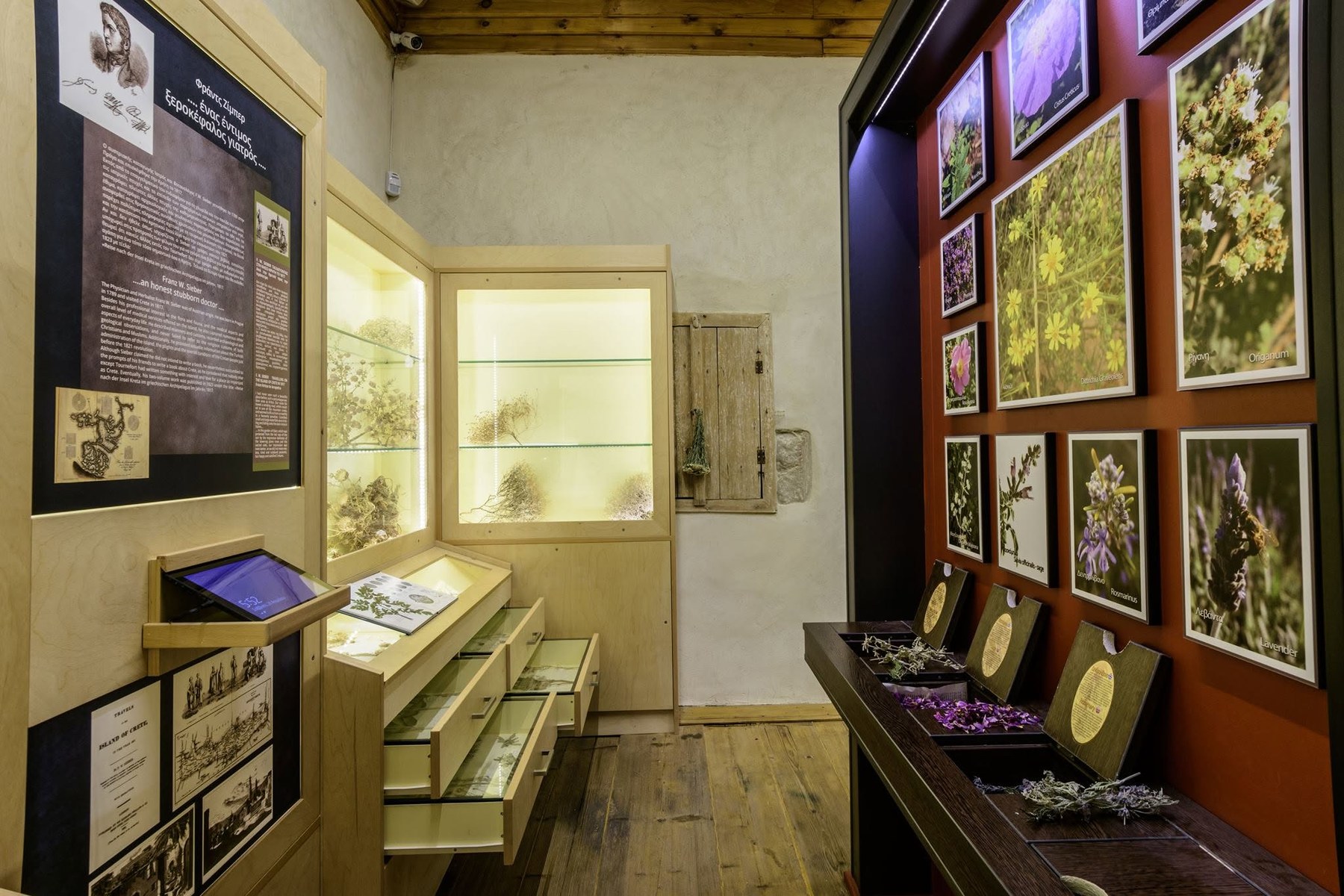
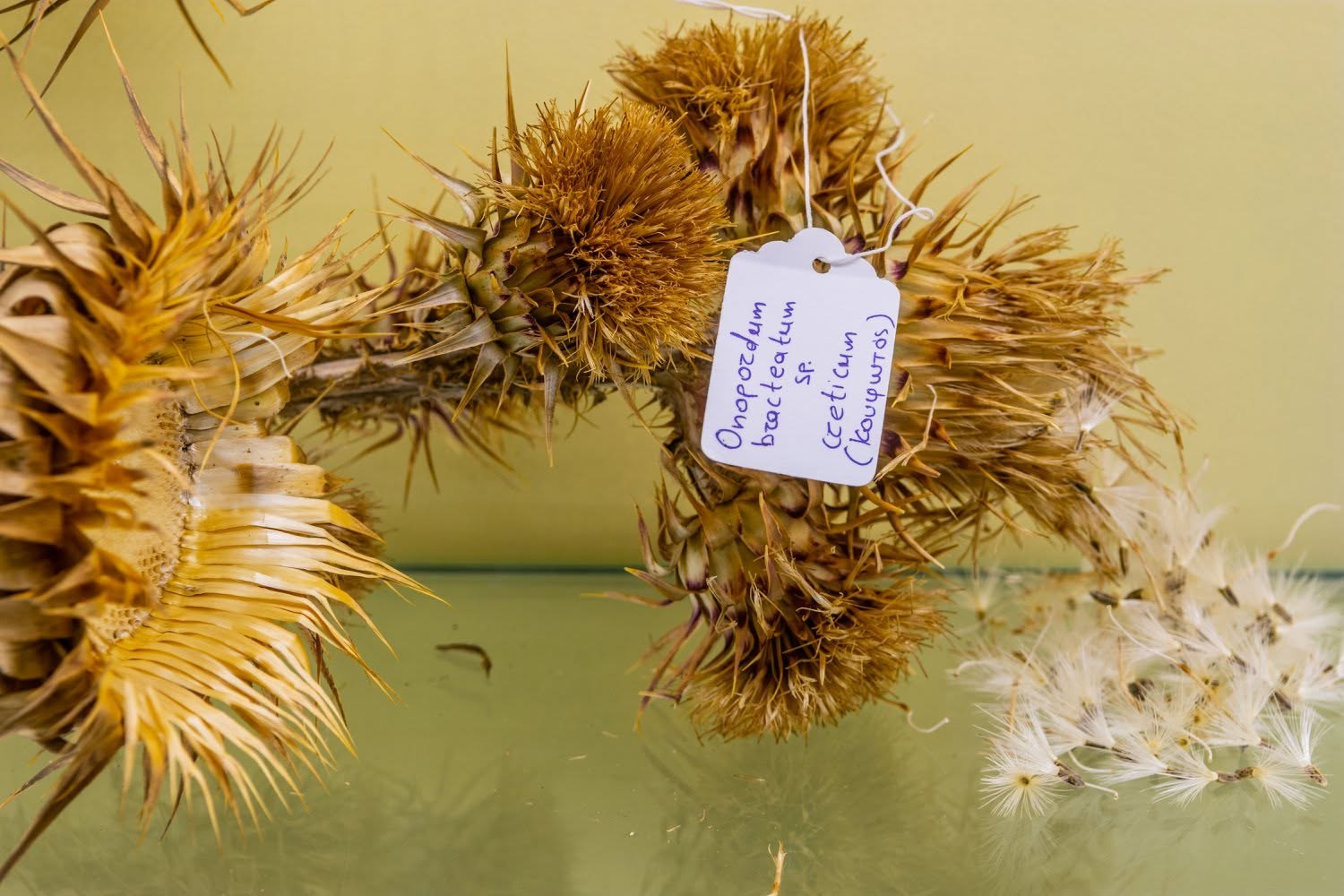
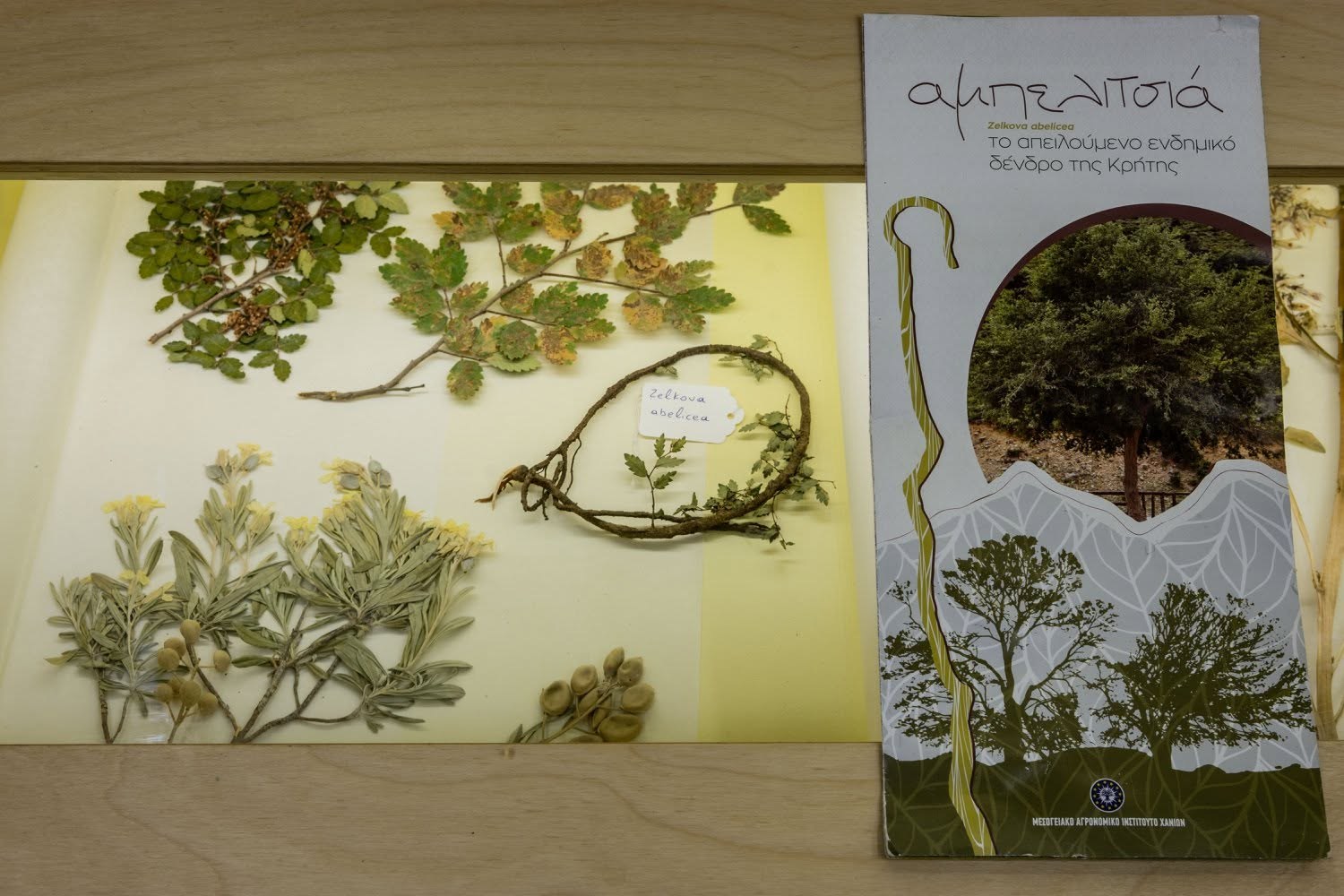
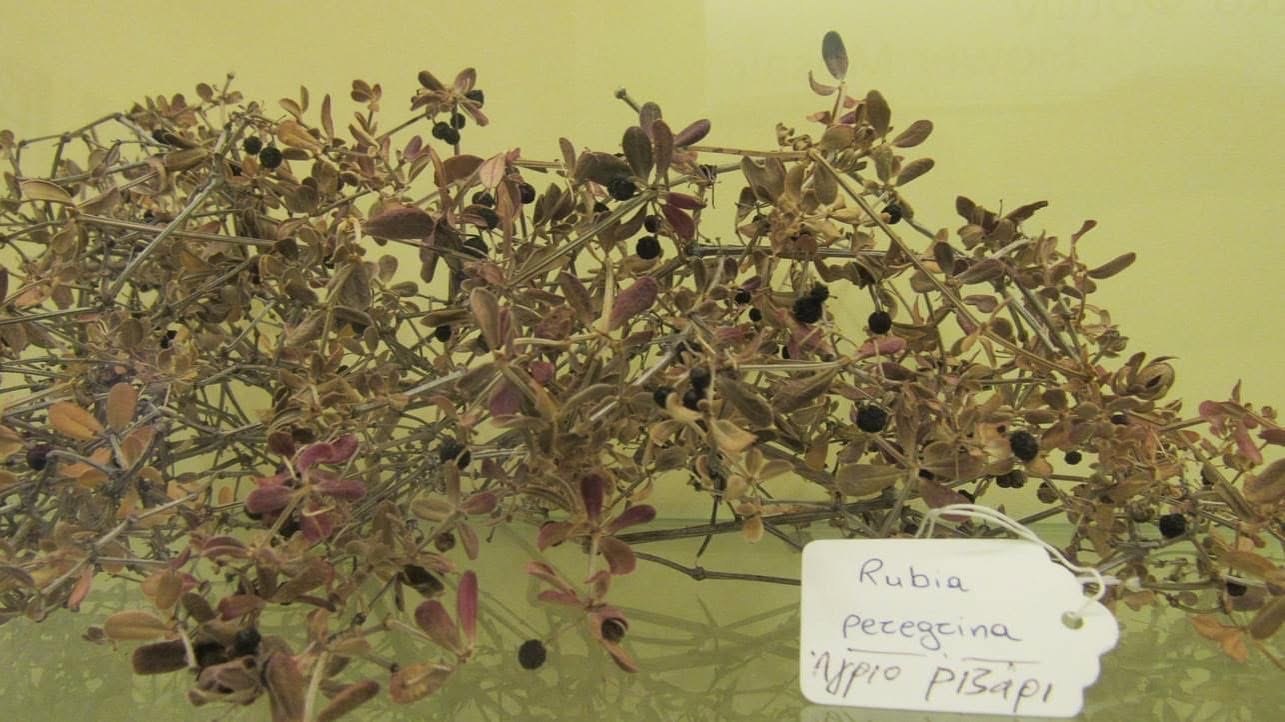
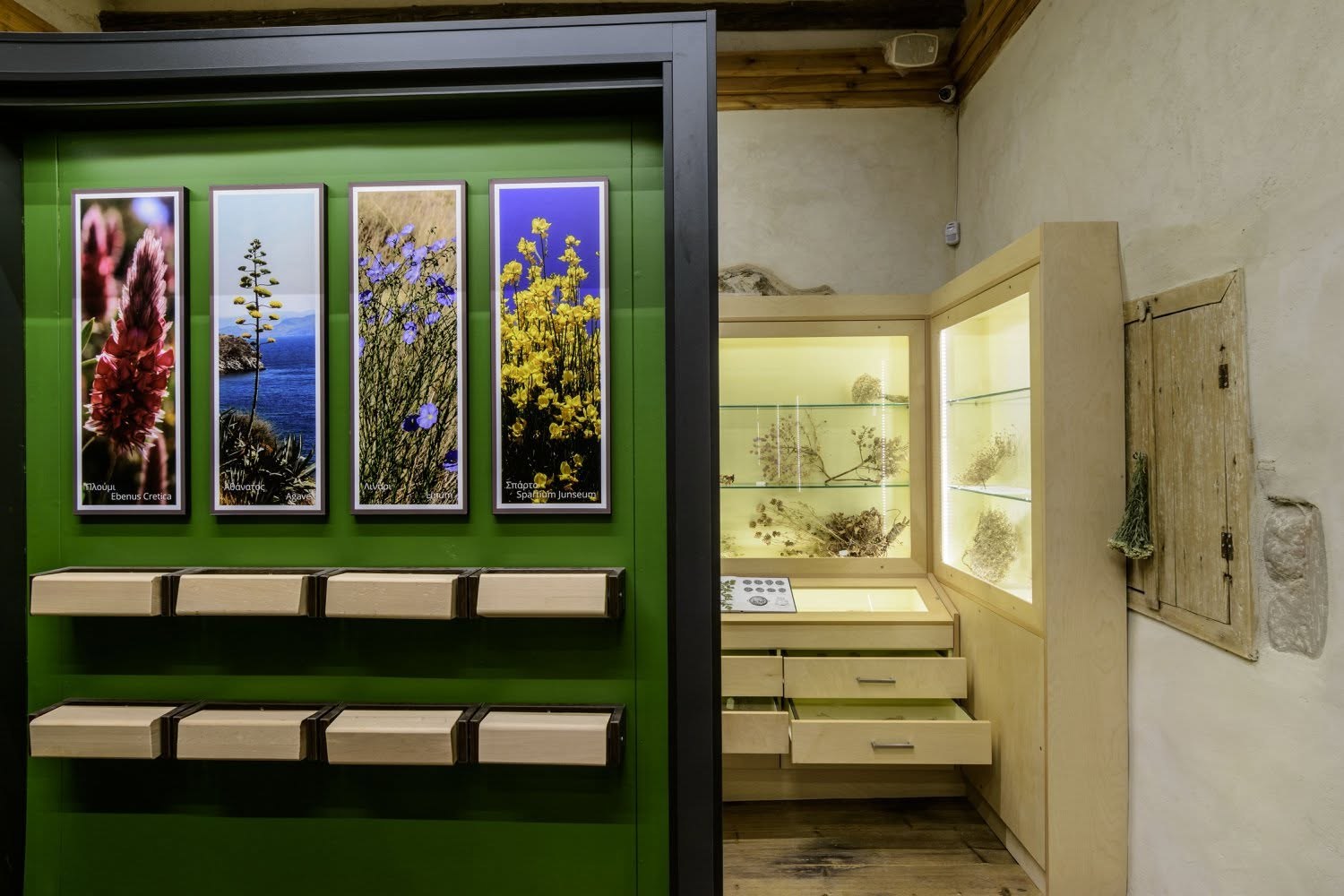
Hundreds of plant specimens introduce visitors to the extraordinary variety of the Cretan landscape. Some are rare, some endemic to the island, while others are familiar plants whose importance is easy to overlook.
The collection is organised as a bridge between scientific observation and local knowledge: what a plant is, where it grows and how generations of Cretans understood it.
Free admission · voluntary donations welcome
Plants in everyday Cretan life
Food, herbs, remedies and practical uses.
Rodanthi shows plants not as isolated specimens, but as part of life. Visitors learn about edible plants, aromatic herbs, plants traditionally associated with household remedies, and materials once used for ropes, cleaning, tools and other everyday needs.
The emphasis is cultural and historical: how Cretans used the resources around them and how knowledge was passed from one generation to the next.
One of Rodanthi's most colourful displays
Colour made by nature.
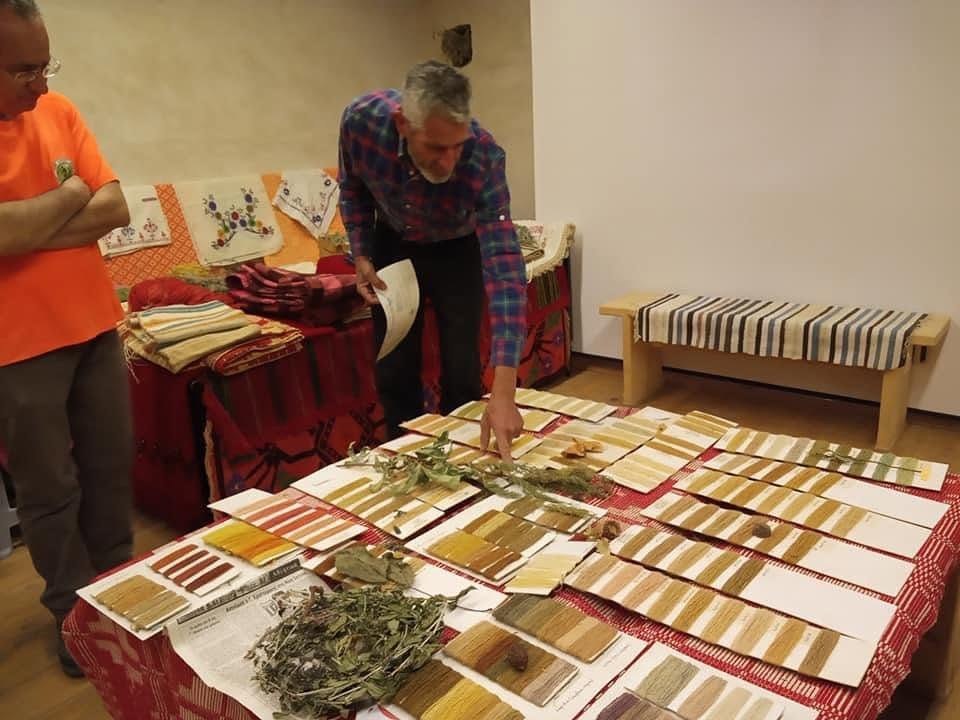
In the lower part of the museum, plant material is displayed alongside yarns and textiles dyed with natural colour. Pomegranate, chamomile, wild oregano, vine, madder and many other plants reveal an unexpected palette — yellows, greens, oranges, purples and deep reds.
Old woven pieces help connect the colours to Cretan craft, showing that the landscape was once quite literally woven into daily life.
Millions of years before us
Fossils that tell the geological story of Crete.
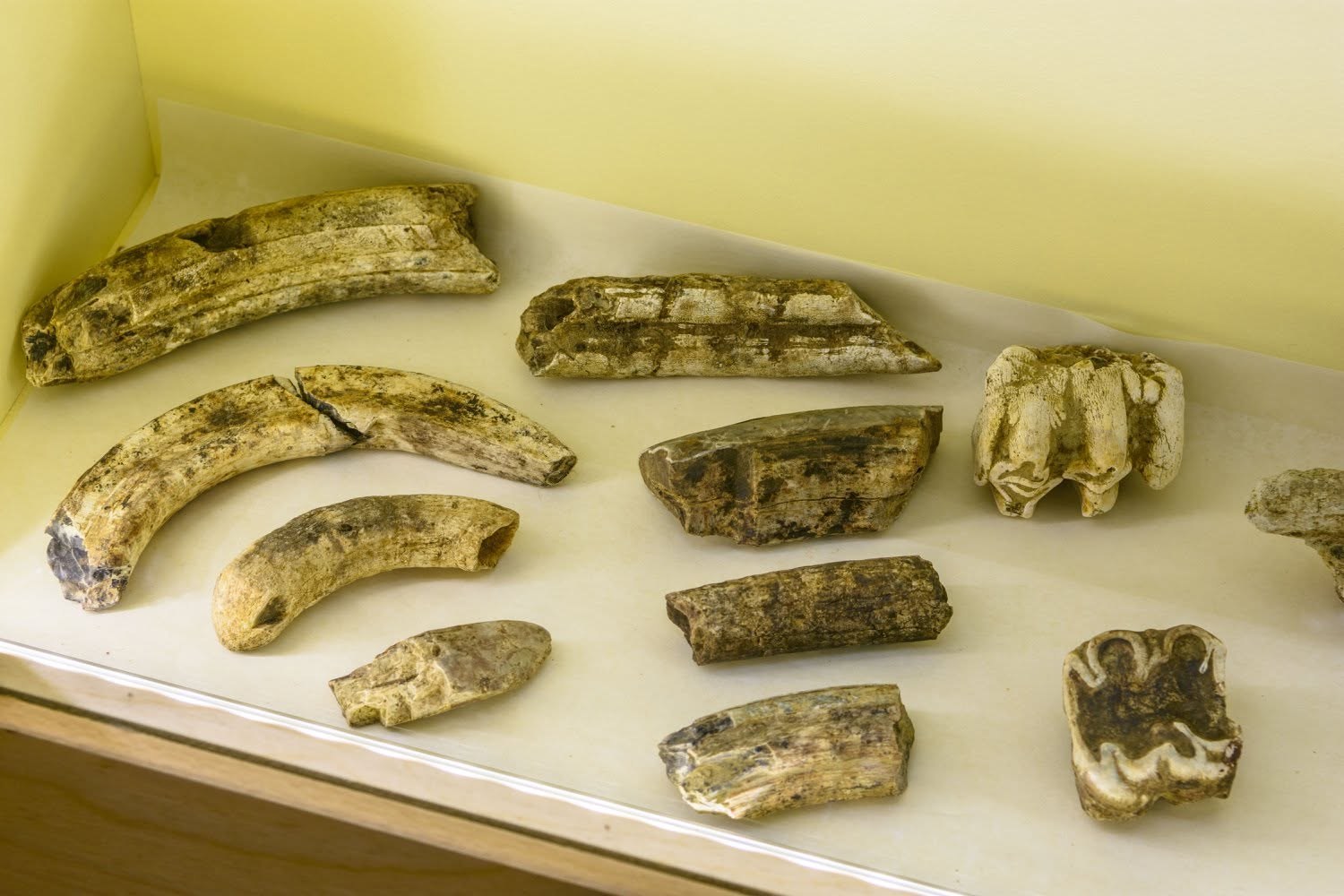
The museum's fossil collection broadens the story from living plants to deep time. Visitors encounter fossils of plants and animals connected to Crete's geological history, including marine material that recalls periods when landscapes and coastlines were very different from today.
George's explanations connect these objects to places across the island, turning geology into a story that can be read in mountains, stones and fossils.
The building is part of the collection
Step inside an old Cretan home.
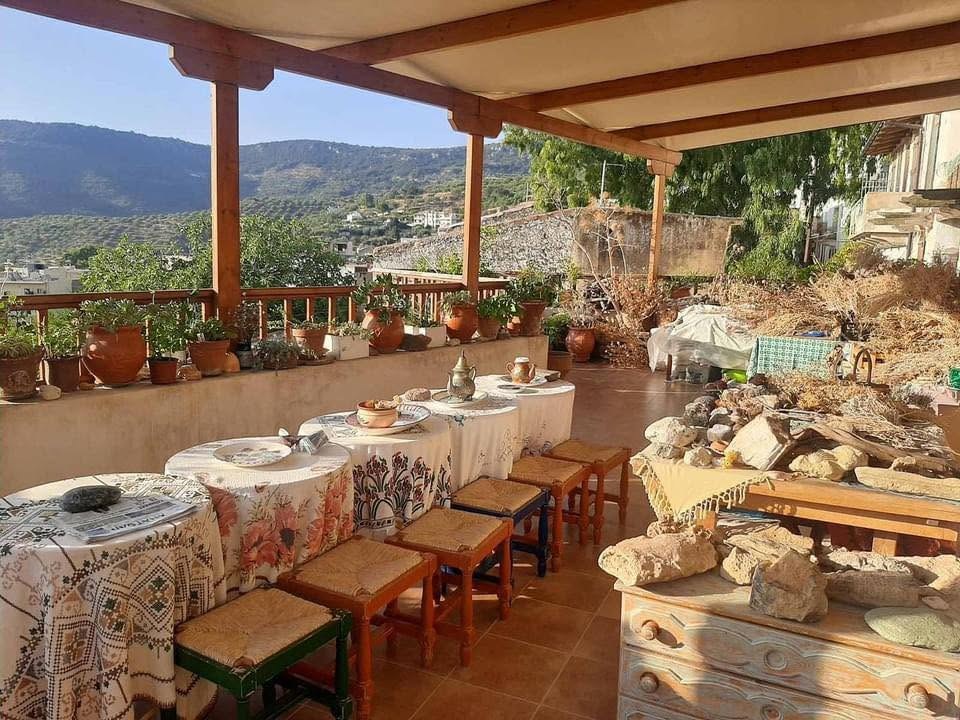
Rodanthi is housed in a historic building, so the visit also opens a window onto everyday life in an earlier Kritsa. Preserved spaces include a traditional kitchen, old tools and construction details that explain how the house worked.
A basement feature also preserves the memory of older food-storage methods — a reminder that architecture, climate and natural resources were closely connected.
Knowledge carried in words
Nature, language and Cretan folklore.
Rodanthi also explores the way the natural world enters language and memory: plant and animal names, place names, stories, expressions and practical knowledge. The museum's purpose is not only to identify objects, but to preserve the relationships around them.
That is what makes a visit feel personal: the exhibits become starting points for conversation rather than objects behind glass.
Inside the museum
Look closely at the collection.
The Rodanthi experience
Look closely. Smell. Compare. Ask questions.
Rodanthi is known for an experiential approach. Depending on the visit and the material being presented, guests can get close to herbs and plant materials, compare natural colours and hear the stories behind objects directly from the people who know the collection.
Rodanthi Museum is a non-profit initiative. If the collection means something to you, you can help preserve it with a voluntary donation during your visit.